
Introduction
When it comes to cultivating cannabis, everything begins with the seed. A healthy, high-quality cannabis seed carries the genetic potential for strong growth, potent buds, and bountiful yields. On the other hand, starting with weak or low-quality seeds can result in poor germination, stunted plants, or wasted effort. For growers—whether beginners or seasoned cultivators—learning how to identify high-quality cannabis seeds before planting is one of the most important steps toward a successful harvest.
In this guide, we’ll break down the essential traits of premium cannabis seeds, how to test them, and what to avoid when making your selections.
Why Seed Quality Matters
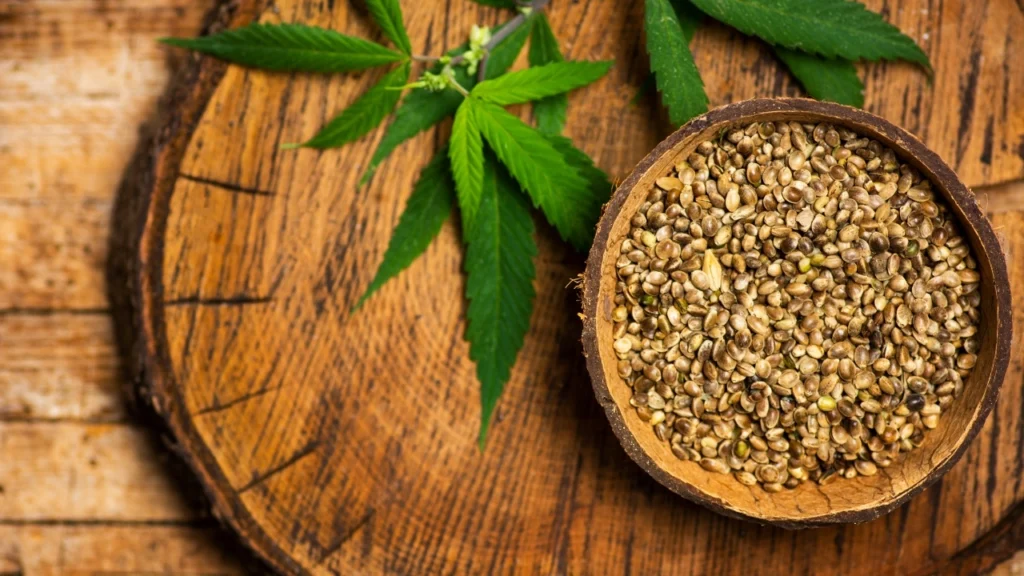
The quality of cannabis seeds directly impacts the overall growing process. Healthy seeds carry robust genetics, meaning they have a greater chance of producing resilient plants capable of resisting pests, mold, and environmental stress. High-quality seeds also ensure better germination rates, stronger root development, and consistent results that match the strain’s advertised traits—whether that’s potency, flavor, or yield.
Starting with inferior seeds, however, often leads to wasted time, money, and effort. Weak seeds may never germinate, or if they do, the resulting plants may be unhealthy and produce low yields. This is why expert growers emphasize seed quality as the foundation of successful cultivation.
Physical Signs of High-Quality Cannabis Seeds
While appearances don’t tell you everything, visual inspection is the first step in spotting good cannabis seeds. Here’s what to look for:
1. Color and Appearance
Mature cannabis seeds usually have a dark brown, gray, or even black coloration, sometimes with visible stripes or tiger-like patterns. Seeds that are light green, pale, or white are often immature and unlikely to germinate successfully.
2. Shiny, Glossy Coating
A healthy cannabis seed typically has a slight sheen or waxy finish. This protective coating helps preserve the seed until it’s ready for germination. Seeds that look dull or dry may be old or low quality.
3. Size and Shape
Good-quality cannabis seeds are generally round, plump, and symmetrical. Seeds that appear small, flat, or misshapen may indicate poor development or weak genetics.
4. Firmness
When gently squeezed between your fingers, high-quality seeds should feel firm and resistant to pressure. If a seed cracks easily, it’s likely too fragile to survive the germination process.
Simple Tests to Check Seed Quality
Beyond visual inspection, growers often use simple tests to assess the viability of cannabis seeds:
1. The Touch Test
Gently press the seed between your thumb and forefinger. A viable seed will feel solid, not brittle. Seeds that crumble or crack under light pressure are usually not worth planting.
2. The Float Test
Place seeds in a glass of water for about 1–2 hours. Seeds that sink are typically healthy and viable, while seeds that float are more likely to be empty or immature. However, don’t leave seeds in water for too long, as prolonged soaking may harm them.
3. Germination Test
The most reliable test is simply trying to germinate a small batch. Place seeds in a damp paper towel inside a warm, dark environment for a few days. Seeds that sprout white taproots are viable, while those that don’t are likely poor quality.
Choosing Seeds Based on Genetics
Seed quality isn’t just about physical traits—it’s also about genetics. Reliable genetics ensure that the plant expresses the desired traits such as cannabinoid content, aroma, and growth structure. Here’s what to consider:
1. Feminized Seeds
Feminized seeds are bred to produce only female plants, which is essential for growers who want to maximize bud production without dealing with male plants. This increases efficiency and reduces the risk of pollination.
2. Autoflowering vs. Photoperiod Seeds
- Autoflowering seeds are easy for beginners since they flower automatically based on age rather than light cycles. They usually have faster harvest times but may yield less.
- Photoperiod seeds require light cycle changes to flower but often produce higher yields and stronger potency.
3. Strain Selection
Look for strains from reputable breeders with stable genetics. Poorly bred seeds may lead to unpredictable results and inconsistencies in plant quality.
Where You Buy Matters
Even the best-looking seeds can be low quality if they come from unreliable sources. To avoid disappointment, always buy from trusted seed banks or reputable breeders. Quality seed banks provide:
- Germination guarantees
- Strain information and lab testing
- Customer reviews
- Discreet packaging and secure shipping
Avoid random sellers, unknown marketplaces, or “too good to be true” deals, as these often result in old, low-quality, or mislabeled seeds.
How to Store Cannabis Seeds Properly
Even high-quality cannabis seeds can lose their potential if stored incorrectly. If you’re not planting right away, here are a few storage tips:
- Keep them cool: Store seeds in a refrigerator or other cool, dark place.
- Avoid moisture: Use airtight containers with silica packets to prevent humidity.
- Keep them dark: Exposure to light can trigger premature germination.
When stored properly, cannabis seeds can remain viable for several years.
Red Flags: What Low-Quality Seeds Look Like
To avoid wasting time, here’s what to watch out for:
- Pale green or white seeds → Immature, unlikely to germinate.
- Cracked or damaged shells → Weak and unviable.
- Small, lightweight seeds → May be hollow or old.
- Excessively cheap bulk seeds → Often indicate poor genetics or expired stock.
Also Read: The Subtle High: A Beginner’s Guide to Microdosing Cannabis
Final Thoughts
High-quality cannabis seeds are the foundation of every successful grow. By learning how to evaluate seeds based on appearance, testing their viability, and buying from reputable sources, growers can dramatically increase their chances of healthy plants and abundant harvests. Remember: investing in good seeds isn’t just about higher yields—it’s about ensuring the time and energy you put into growing results in the rewarding experience you’re aiming for.
If you’re serious about cultivating cannabis, take the time to source quality seeds and treat them with care. The extra effort at the beginning pays off throughout the entire life cycle of your plants.