
Stress is an unavoidable part of modern life. From demanding work schedules to personal challenges, the pressure can take a toll on both physical and mental health. In recent years, cannabis has gained attention as a potential natural aid for stress relief. Specifically, CBD (cannabidiol) and THC (tetrahydrocannabinol) are two key compounds that have been studied for their effects on mood, anxiety, and overall stress management.
Understanding how these cannabinoids work, and how to use them safely, can help individuals make informed decisions for stress relief. This article explores the scientific evidence behind CBD and THC and their potential role in reducing stress.
How Stress Affects the Body
Stress triggers the body’s fight-or-flight response, releasing hormones such as cortisol and adrenaline. While this response is helpful in short bursts, chronic stress can lead to:
- Anxiety and depression
- Insomnia and sleep disturbances
- Elevated blood pressure
- Weakened immune function
- Digestive issues
These effects make managing stress crucial for long-term health. Many people are turning to natural alternatives like cannabis, alongside lifestyle changes, to achieve balance.
Understanding CBD and THC
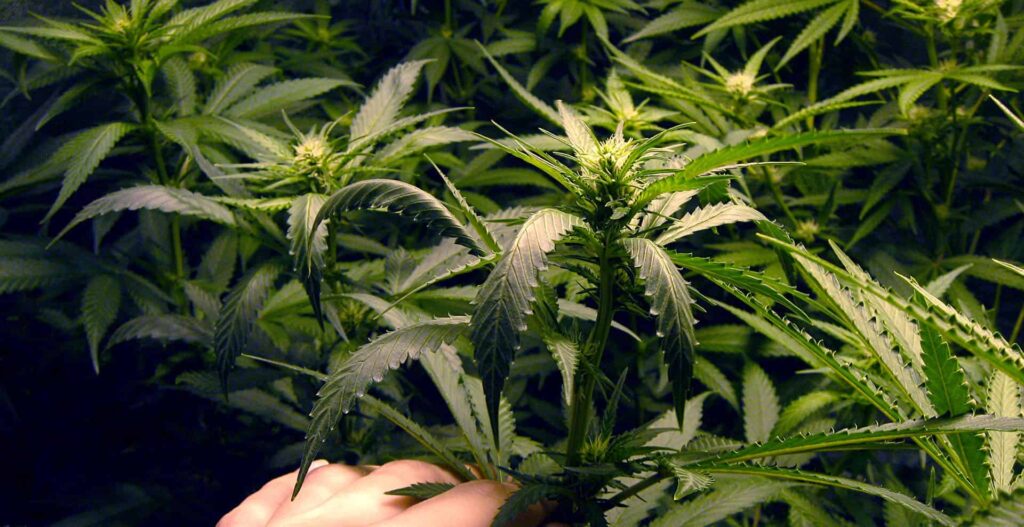
Cannabis contains over 100 cannabinoids, but CBD and THC are the most widely studied for their health benefits.
What is CBD?
CBD is a non-psychoactive compound, meaning it doesn’t produce the “high” typically associated with cannabis. Instead, it interacts with the body’s endocannabinoid system, which helps regulate mood, sleep, and stress responses.
What is THC?
THC is the psychoactive component of cannabis. It produces euphoria or the “high” feeling while also interacting with the endocannabinoid system. THC can influence mood and perception, and in certain doses, it may help reduce stress and anxiety.
How CBD Helps with Stress
Research indicates that CBD may reduce stress by influencing serotonin levels in the brain. Serotonin is a neurotransmitter that plays a key role in regulating mood and anxiety.
Evidence from Studies
- A 2019 review in The Permanente Journal found that CBD significantly reduced anxiety levels in participants, particularly those with social anxiety disorder.
- Animal studies suggest that CBD can modulate the stress response by affecting the hypothalamic-pituitary-adrenal (HPA) axis, which regulates cortisol release.
- CBD has also been shown to improve sleep quality, which indirectly reduces stress.
How to Use CBD for Stress
- Oils and tinctures: Taken sublingually for faster absorption.
- Edibles and capsules: Provide longer-lasting effects but slower onset.
- Topicals: Useful if stress manifests as muscle tension or soreness.
It’s important to start with low doses and consult a healthcare professional, especially if you take other medications.
How THC Helps with Stress
THC can help some individuals relax and unwind, but it also comes with considerations.
Effects of THC on Stress
- THC may activate reward pathways in the brain, promoting relaxation and temporary mood elevation.
- Moderate doses can help alleviate tension, improve sleep, and enhance feelings of euphoria.
Risks of THC
- High doses may increase anxiety or paranoia in some individuals.
- Regular use can lead to dependency if not monitored carefully.
Best Practices
- Use low-to-moderate doses.
- Avoid combining THC with alcohol or other depressants.
- Consider products with balanced ratios of THC and CBD for milder psychoactive effects.
CBD vs. THC: Which is Better for Stress Relief?
Choosing between CBD and THC depends on your personal needs and tolerance:
| Feature | CBD | THC |
|---|---|---|
| Psychoactive | No | Yes |
| Anxiety Reduction | Strong evidence | Moderate, dose-dependent |
| Sleep Support | Yes, indirect | Yes, can induce drowsiness |
| Risk of Paranoia | Low | Moderate, especially in high doses |
| Legal in Canada | Yes | Legal with regulation |
For beginners or those sensitive to psychoactive effects, CBD is generally a safer starting point. THC may be considered for occasional use under controlled conditions or in combination with CBD.
Combining CBD and THC
Many products use a synergistic blend of CBD and THC, known as the entourage effect. The combination can provide balanced effects: CBD may counteract some of THC’s anxiety-inducing effects while maintaining its relaxing properties.
Common formats include:
- Pre-rolled cannabis joints or vapes with specific THC:CBD ratios
- Capsules or edibles with measured cannabinoid content
- Oils or tinctures with adjustable dosing
Additional Tips for Using Cannabis for Stress
- Start low and go slow: Begin with small doses and increase gradually.
- Consult a professional: Speak with a doctor or licensed cannabis consultant.
- Track your response: Keep a journal to monitor effects on stress and sleep.
- Combine with lifestyle strategies: Meditation, exercise, and proper sleep enhance results.
Legal Considerations in Canada
In Canada, both CBD and THC products are legal under the Cannabis Act, but only licensed producers can sell them. Recreational use is permitted for adults 18 or 19+, depending on the province.
It’s important to purchase products from regulated stores to ensure quality, accurate labeling, and safe consumption.
Read Also : The Benefits of Cannabis for Pain Relief: What You Should Know
Conclusion
Cannabis offers promising potential for stress relief, with CBD providing a non-psychoactive, safe option, and THC offering mood-enhancing effects when used responsibly. Scientific research supports CBD’s role in reducing anxiety, supporting sleep, and regulating stress responses, while THC can help with relaxation and emotional relief in moderate doses.
Whether you choose CBD, THC, or a combination, it’s crucial to approach cannabis use mindfully, legally, and in consultation with healthcare professionals. With the right guidance, cannabis can be a natural tool to help manage stress and promote overall well-being.