
Introduction
Post-Traumatic Stress Disorder (PTSD) is a mental health condition triggered by experiencing or witnessing a traumatic event. Traditional treatments for PTSD include psychotherapy and medication, but recent years have seen growing interest in alternative therapies, including the use of Cannabidiol (CBD). In this blog, we’ll delve into how CBD might play a role in PTSD recovery, backed by scientific insights and anecdotal evidence.
Understanding PTSD
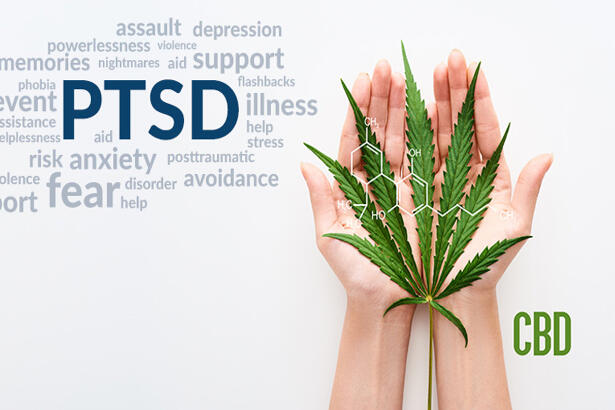
PTSD can manifest in various forms, such as flashbacks, severe anxiety, uncontrollable thoughts about the traumatic event, and intense emotional reactions. The complexity of this condition requires a multifaceted approach to treatment.
CBD: A Brief Overview
CBD, or Cannabidiol, is a naturally occurring compound found in the cannabis plant. Unlike its counterpart THC (tetrahydrocannabinol), CBD is non-psychoactive, meaning it doesn’t produce the ‘high’ associated with cannabis. Gaining popularity for its potential therapeutic properties, CBD is thought to interact with the body’s endocannabinoid system, which plays a role in regulating functions like sleep, mood, and pain.
Available in various forms such as oils, edibles, and topicals, CBD is used for a range of purposes, including pain relief, anxiety reduction, and sleep improvement. Its legal status varies by region, and ongoing research continues to explore its benefits and effects.
CBD and the Brain: The Science Behind It
CBD interacts with the endocannabinoid system (ECS) in our bodies, a complex network that plays a role in regulating mood, memory, and stress response. The ECS’s involvement in emotional processing and stress regulation suggests that CBD could positively impact PTSD symptoms.
1. Alleviating Anxiety and Stress
CBD has been studied for its potential to reduce anxiety, a core symptom of PTSD. Research indicates that CBD may alter the brain’s response to stress, potentially making it a useful supplement in managing anxiety-related disorders.
2. Enhancing Sleep Quality
Sleep disturbances are common in individuals with PTSD. CBD’s purported calming effects on the nervous system might aid in improving sleep patterns, providing a non-pharmacological alternative to traditional sleep medications.
3. Modulating Memory Processing
One of the intriguing aspects of CBD’s potential in PTSD treatment is its impact on memory processing. It may help in the ‘extinction’ of traumatic memories, a process vital in overcoming PTSD.
The Research Landscape
The research landscape for CBD is burgeoning yet still in its early stages. Studies have primarily focused on its potential therapeutic effects for conditions like anxiety, chronic pain, and epilepsy. Notably, the FDA has approved a CBD-based drug for certain types of epilepsy. Research on CBD’s impact on other areas like sleep disorders, PTSD, and inflammation is promising but not yet conclusive. The majority of these studies are limited by small sample sizes, short durations, and varying dosages. As interest in CBD’s health benefits grows, more comprehensive and long-term studies are needed to substantiate its efficacy and safety for various conditions.
Navigating CBD Use for PTSD
1. Choosing the Right Product
Choosing the right CBD product is crucial for ensuring both effectiveness and safety. Here are some key considerations to keep in mind when selecting a CBD product:
- Type of CBD:
- Full-Spectrum: Contains all compounds found in the cannabis plant, including THC (though typically in very low amounts).
- Broad-Spectrum: Includes most compounds from the cannabis plant but usually THC-free.
- CBD Isolate: Pure CBD, with no other cannabinoids or compounds from the plant.
- Source of Hemp:
- Look for products made from organically grown hemp, as it is less likely to contain pesticides or harmful chemicals.
- Third-Party Testing:
- Choose products that have been independently tested by third-party labs. These tests should confirm the product’s cannabinoid content and check for contaminants like pesticides, heavy metals, and solvents.
- Reputable brands will often provide Certificates of Analysis (CoAs) for their products.
- Product Potency:
- Consider the concentration of CBD in the product, which is usually expressed in milligrams. This can help you manage dosing more accurately.
- Formulation and Product Types:
- CBD comes in various forms, including oils, tinctures, capsules, edibles, topicals, and vapes. The choice depends on personal preference, desired effect, and speed of absorption.
- For instance, tinctures and oils are absorbed faster when taken sublingually (under the tongue), whereas edibles may take longer to take effect but last longer.
- THC Content:
- Check the THC content, especially if you’re concerned about the psychoactive effects or if drug testing is a concern. In many regions, the legal limit for THC in CBD products is 0.3%.
- Manufacturer Reputation:
- Research the brand or manufacturer to ensure they have a good reputation for quality and safety. Look for reviews and customer feedback.
- Labeling and Packaging:
- Proper labeling should include information about CBD and THC content, dosage, ingredients, and usage instructions.
- Consult Healthcare Professionals:
- Especially for therapeutic use, consult with a healthcare professional to ensure the product is appropriate for your specific health needs and won’t interact with any medications you’re taking.
Selecting the right CBD product involves a balance of these factors, tailored to individual needs and preferences. It’s important to do thorough research and possibly experiment with different products to find the one that works best for you.
2. Understanding Dosage
Understanding the appropriate dosage of CBD is crucial for its effectiveness and safety. CBD dosage can vary widely based on factors like body weight, the condition being treated, individual body chemistry, and the concentration of CBD in each product.
General guidelines suggest starting with a low dose and gradually increasing it until the desired effect is achieved. For instance, someone might begin with a dose of 20-40 mg per day and increase this by 5 mg after a week if necessary. Keeping a diary to track doses and responses can be helpful.
It’s important to note that, due to the lack of extensive research and standardized dosing guidelines, there’s no universally accepted dosage for CBD. Consulting with a healthcare professional, especially if using CBD to manage a specific health condition or if taking other medications, is always recommended. This ensures that the CBD dosage is tailored to individual needs and avoids potential interactions with other medications.
3. Consulting Healthcare Professionals
Before integrating CBD into your PTSD treatment plan, it’s essential to consult with healthcare professionals, particularly if you’re currently on other medications.
Legal and Safety Considerations
In Canada, CBD is legal but regulated under the Cannabis Act, which came into effect on October 17, 2018. Here are some key legal and safety considerations for CBD use in Canada:
- Regulation: CBD and CBD products are subject to the same regulations as other cannabis products in Canada. This means they must be purchased through authorized retailers or federal licensees.
- Quality Control: Legal CBD products are subject to strict quality controls, which helps ensure they are safe, of high quality, and contain the amount of CBD stated on the label.
- Age Restrictions: The legal age for purchasing and using CBD products varies by province and territory, typically aligning with the legal age for alcohol consumption.
- Possession Limits: There are limits to the amount of cannabis (including CBD) an individual can possess. Generally, the public possession limit for dried cannabis (or its equivalent in non-dried form) is 30 grams.
- Medical Use: CBD can also be prescribed by a doctor and obtained through a medical cannabis program. In such cases, it’s regulated by Health Canada and requires a medical document.
The Future of CBD in PTSD Treatment
As interest in CBD’s therapeutic potential grows, so does the body of research. Future studies are likely to provide deeper insights into how CBD can be integrated into comprehensive PTSD treatment plans.
Conclusion
CBD offers a promising, albeit still exploratory, avenue for aiding in PTSD recovery. Its potential to alleviate anxiety, improve sleep, and aid in processing traumatic memories positions it as a valuable tool in the journey towards healing. While it’s not a standalone solution, CBD could be a beneficial complement to traditional PTSD treatments. As research continues to evolve, so will our understanding of CBD’s role in managing and recovering from PTSD, paving the way for more informed, effective therapeutic strategies.