
Introduction
Growing cannabis starts with a single, crucial step—germination. This early stage determines whether your cannabis seeds will grow into strong, healthy plants or fail before they even sprout. Whether you’re a beginner or a seasoned cultivator, understanding how to germinate cannabis seeds properly is key to a successful harvest.
In this blog, we’ll explore everything you need to know about germinating cannabis seeds: what it means, different methods, best practices, and tips to avoid common mistakes.
What Is Germination?
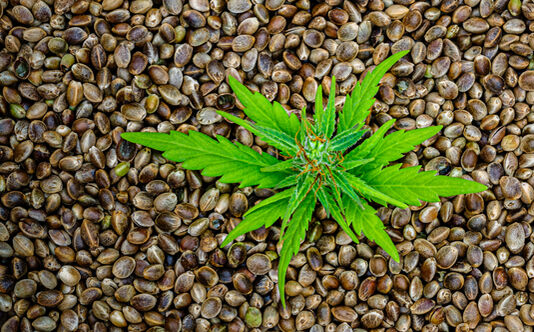
Germination is the process by which a seed sprouts and begins its journey into becoming a seedling. When a cannabis seed is exposed to the right combination of moisture, warmth, and darkness, it “wakes up” from dormancy. During this stage, the hard outer shell of the seed cracks open, and a tiny white root—called a taproot—emerges. This root will grow downward into the soil, anchoring the plant and absorbing nutrients.
Germination is critical. Poor germination can lead to weak plants, stunted growth, or total crop failure. That’s why it’s essential to get this step right.
Choosing Quality Cannabis Seeds
Before you even begin germination, make sure you’re starting with high-quality seeds. Here’s how to identify good seeds:
- Color: Healthy seeds are usually dark brown with tiger-like stripes or mottled patterns.
- Texture: They should feel firm and not easily crushable.
- Size: Larger seeds tend to be more viable, though size alone isn’t a guarantee.
- Age: Fresh seeds germinate more reliably than old ones. Store seeds in a cool, dry, dark place to preserve viability.
Avoid pale, soft, cracked, or greenish seeds—they’re likely immature or damaged and may not germinate.
Methods for Germinating Cannabis Seeds
There are several proven techniques for germinating cannabis seeds. Let’s break down the most popular methods:
1. Paper Towel Method (Most Common)
What You Need:
- Two clean paper towels
- Two plates or a plastic container
- Purified or distilled water
- Cannabis seeds
Steps:
- Moisten the paper towels until they’re damp but not soaking.
- Place one paper towel on a plate, and lay the seeds on top, spaced evenly.
- Cover with the second damp paper towel.
- Cover the plate with another plate or lid to maintain humidity and darkness.
- Place the setup in a warm (70–80°F / 21–27°C), dark spot.
- Check daily and keep towels moist.
Pros: Easy, inexpensive, effective.
Cons: Seeds can stick to towels if not handled carefully.
2. Soaking in Water (Pre-Germination Kickstart)
What You Need:
- Glass of purified water
- Cannabis seeds
Steps:
- Drop seeds into the water and let them soak for 12–24 hours.
- If they haven’t sunk after 12 hours, gently tap them.
- Once the seed shells crack or taproots emerge, move them to soil or another medium.
Pros: Quick and simple.
Cons: Prolonged soaking can drown seeds; don’t exceed 24 hours.
3. Direct Soil Planting
What You Need:
- Seed-starting soil mix (light and well-aerated)
- Small pots or starter plugs
- Water and humidity dome (optional)
Steps:
- Create a 0.5–1 inch (1.3–2.5 cm) hole in moist soil.
- Place seed taproot down (or pointy side up if ungerminated).
- Lightly cover with soil.
- Keep moist and warm until sprouting (2–7 days).
Pros: No transplant shock; natural environment.
Cons: You can’t monitor the seed’s progress as closely.
4. Using Starter Cubes or Plugs
What You Need:
- Pre-made cubes (e.g., Rapid Rooters, Rockwool, peat pellets)
- Water and humidity dome
Steps:
- Moisten the cubes as directed.
- Insert the seed into the pre-made hole.
- Place the cube in a warm, dark area or seedling tray with a dome.
- Maintain humidity and wait for sprouting.
Pros: Easy transplanting; great for hydroponics.
Cons: Costlier than other methods.
Ideal Conditions for Germination
For successful germination, provide the following:
- Temperature: 70–80°F (21–27°C)
- Humidity: 70–90% is ideal
- Moisture: Damp, not soggy; avoid overwatering
- Darkness: Seeds germinate best in the dark
- Air: Seeds need oxygen; avoid compact, soggy setups
Use a heat mat if your environment is cold, and monitor moisture daily to prevent mold or dryness.
How Long Does Germination Take?
Cannabis seeds typically begin to germinate within 1 to 7 days, but it’s important to note that germination time can vary depending on several factors such as seed quality, age, moisture levels, temperature, and the method used. Some particularly stubborn seeds—especially older ones—may take up to 10 days to show any signs of life. Patience during this phase is critical, as prematurely discarding seeds may result in the loss of viable plants.
That said, if there are no visible changes after 10 days—no cracking of the shell, no emerging taproot, and no signs of sprouting—it’s likely that the seeds are not viable. This can happen due to genetic issues, improper storage, or physical damage to the seed. It’s always a good practice to germinate a few extra seeds, especially if you’re growing a limited number of plants, to account for any non-viable ones.
When and How to Transplant Germinated Seeds
Once your cannabis seed has successfully germinated and the taproot (the white primary root) has grown to about ¼ to ½ inch (approximately 0.6 to 1.3 cm) in length, it’s time to transplant the seed into your chosen growing medium—whether that’s soil, coco coir, or a hydroponic starter plug.
Here’s how to do it safely:
- Handle with Care: The taproot is extremely delicate. Use sterilized tweezers or clean hands and avoid touching the root directly. Always grasp the seed by its shell.
- Plant Orientation: Place the seed taproot down into a small hole about ½ inch deep. This allows the root to grow downward naturally and the seedling to push upward through the medium.
- Gentle Covering: Lightly cover the seed with a thin layer of your growing medium—just enough to block out light but not too much to obstruct the seedling’s emergence.
- Moisture and Warmth: Keep the growing medium consistently moist (not wet) and maintain a warm temperature of around 70–80°F (21–27°C). Use a humidity dome if needed to retain moisture and create a greenhouse-like environment.
- Wait for Emergence: Within a few days, you should see the seedling break through the surface with its first leaves—called cotyledons. These round leaves are a sign that your cannabis plant has officially entered the seedling stage.
By transplanting at the right time and with proper technique, you give your cannabis seedlings the strong start they need to grow into vigorous, healthy plants.
Transplanting Germinated Seeds
When transplanting, handle the seed very gently:
- Use tweezers or gloved hands to pick up the seed by the shell—not the root.
- Place it into a small hole (about 0.5–1 inch deep) in moist soil or plug.
- Cover lightly and water gently.
- Keep under a humidity dome or plastic wrap for a few days to encourage sprouting.
Once the seedling emerges from the soil with its first set of leaves (cotyledons), it’s ready to start life as a young plant.
Common Mistakes to Avoid
- Overwatering: Too much moisture can rot seeds. Keep damp, not drenched.
- Touching the Taproot: It’s fragile—handle only the shell.
- Poor-quality seeds: Always buy from reputable sources.
- Wrong temperature: Too cold or hot will delay or halt germination.
- Impatience: Give your seeds time to germinate. Don’t discard prematurely.
Also Read: Harvesting Cannabis Seeds: A Complete Guide for Growers
Conclusion
Germinating cannabis seeds may seem like a small step, but it sets the foundation for everything that follows. When done right, it gives your plants a strong start and increases your chances of a healthy, abundant harvest. By choosing quality seeds, using proven methods, and maintaining the right environment, you can ensure a successful germination phase.
Whether you’re growing for personal use or planning a larger cultivation, mastering the art of germination is your first step toward becoming a confident cannabis grower.