
The cannabis industry in Canada has experienced significant growth since the legalization of recreational cannabis in 2018. As cannabis cultivation continues to expand across the country, it’s crucial for growers to protect their crops from various risks. One of the most effective ways to safeguard your investment is through cannabis crop insurance. However, cannabis crop insurance can be a complex and often misunderstood area of coverage.
In this blog post, we will explore the ins and outs of cannabis crop insurance in Canada, covering what growers need to know about protecting their crops, the types of coverage available, and how to navigate the process.
Understanding Cannabis Crop Insurance
Cannabis crop insurance is designed to protect cultivators against financial losses due to unforeseen events that can damage or destroy their crops. These events may include natural disasters, theft, pests, diseases, and even government-mandated destruction. For Canadian cannabis growers, having insurance coverage is essential to mitigate the risks associated with outdoor and indoor cultivation.
However, because cannabis is still a relatively new industry, there are specific considerations and challenges that growers need to be aware of when seeking crop insurance.
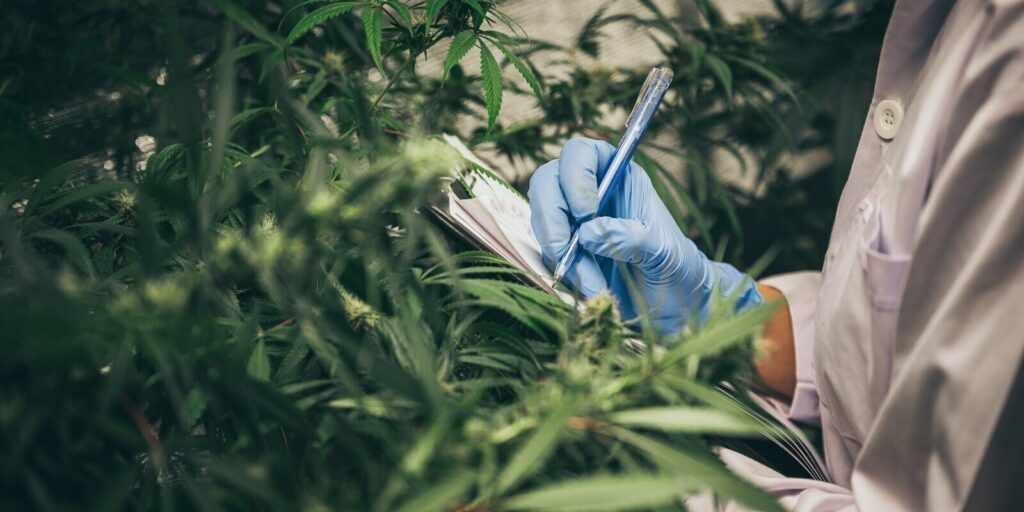
Why is Cannabis Crop Insurance Important?
Cannabis crop insurance is crucial for protecting growers from financial losses caused by unexpected risks like natural disasters, theft, and crop destruction. It ensures that cultivators can recover their investments and continue operations without major setbacks.
Protection from Financial Losses
Cannabis crops represent a significant financial investment for growers. From the cost of seeds and cultivation equipment to labor and facility maintenance, the expenses can add up quickly. Without insurance, a single catastrophic event could result in the total loss of a grower’s livelihood. Cannabis crop insurance provides a safety net, ensuring that growers are compensated for their losses and can continue their operations without going bankrupt.
Compliance and Legal Obligations
In Canada, cannabis cultivators must operate in compliance with federal regulations set forth by Health Canada. These regulations include strict guidelines on security measures, quality control, and destruction of non-compliant crops. In some cases, cannabis growers may be required to destroy their crops if they fail to meet regulatory standards, which can be a costly process. Having insurance can help cover the costs associated with regulatory compliance and ensure that growers remain financially stable in the event of mandated crop destruction.
Types of Cannabis Crop Insurance Coverage
There are several types of cannabis crop insurance available to Canadian growers. Each type of coverage addresses different risks and provides varying levels of protection. It’s essential for growers to understand these options to select the right policy for their specific needs.
1. Property Insurance
Property insurance is one of the most common types of cannabis crop coverage. It protects against damage to the cultivation facility, including greenhouses, equipment, and other physical assets used in the cultivation process. Property insurance typically covers risks such as fire, water damage, vandalism, and theft.
While property insurance is essential for both indoor and outdoor cultivators, it may not always cover damage to the crops themselves. Therefore, growers must look into additional coverage options.
2. Crop-Specific Insurance
Crop-specific insurance is designed to protect cannabis plants from risks directly affecting the plants. These policies may cover outdoor and indoor crops, shielding them from natural disasters like hailstorms, flooding, wildfires, and extreme weather conditions. This type of insurance is especially critical for outdoor growers who are more vulnerable to environmental risks.
Additionally, crop-specific insurance can cover the loss of crops due to pests, diseases, and contamination. Given the strict quality regulations in Canada, even a small contamination can result in the destruction of the entire crop, making this type of coverage essential.
3. Business Interruption Insurance
Business interruption insurance is another important coverage option for cannabis cultivators. It compensates growers for lost income during periods when operations are halted due to covered risks such as fire, equipment breakdown, or other incidents that prevent the cultivation process from continuing.
For cannabis growers, unexpected downtime can lead to substantial financial losses, particularly during critical growth stages. Business interruption insurance ensures that growers can recover lost income and maintain their financial stability while their operations are temporarily suspended.
4. Product Liability Insurance
Although not specific to crop insurance, product liability insurance is crucial for cannabis growers who sell their products to dispensaries, retailers, or directly to consumers. This coverage protects growers from legal claims arising from harm caused by their cannabis products. If a consumer experiences adverse effects from a cannabis product, growers may face lawsuits, which can be financially devastating.
Product liability insurance covers legal fees, settlements, and damages, ensuring that growers are protected from the financial fallout of legal disputes.
Factors to Consider When Choosing Cannabis Crop Insurance
When choosing cannabis crop insurance, growers need to evaluate several key factors to ensure comprehensive protection. These considerations help tailor the right policy to mitigate specific risks faced by their cultivation operations.
1. Indoor vs. Outdoor Cultivation
The type of cultivation (indoor or outdoor) plays a significant role in determining the risks involved and the insurance coverage needed. Outdoor growers are more susceptible to natural disasters, extreme weather, and pests, while indoor cultivators may face risks related to equipment failure, mold, and theft.
Growers should choose policies that specifically address the unique risks of their cultivation method to ensure they have comprehensive coverage.
2. Location and Climate
For outdoor growers, the location of the cultivation site can significantly impact the likelihood of certain risks. For example, regions prone to wildfires, flooding, or extreme cold may require additional coverage to protect against these specific threats. Indoor growers may be more insulated from weather-related risks but still need to consider location-based risks such as power outages or security breaches.
3. Compliance with Health Canada Regulations
Compliance with federal cannabis regulations is non-negotiable for Canadian growers. Insurance policies must align with Health Canada’s requirements, particularly in areas such as security and quality control. Growers should work with insurance providers who understand the regulatory landscape and can offer coverage that meets legal obligations.
How to Find the Right Cannabis Crop Insurance Provider
Finding the right cannabis crop insurance provider is crucial for ensuring comprehensive coverage tailored to the unique risks of cannabis cultivation. Here’s how to navigate the process and choose a provider that meets your specific needs.
1. Work with Cannabis-Specialized Providers
Because cannabis is a unique and highly regulated industry, not all insurance providers are equipped to offer the right coverage. It’s essential to work with providers that specialize in cannabis crop insurance and have experience navigating the complexities of this market. These providers understand the specific risks that cannabis growers face and can tailor policies to meet their needs.
2. Compare Policies and Coverage Options
Not all cannabis crop insurance policies are created equal. Growers should take the time to compare coverage options, premiums, and deductibles to find the policy that offers the best protection at a reasonable cost. Working with an insurance broker who specializes in cannabis can also help simplify this process and ensure that all risks are covered.
3. Review Policy Exclusions
As with any insurance policy, it’s essential to carefully review the exclusions before signing on. Some policies may exclude certain risks, such as mold or pest infestation, which could be critical for cannabis growers. Growers should ensure that their policy covers the most significant risks to their operation and doesn’t leave them vulnerable to uncovered losses.
Conclusion
Cannabis crop insurance is an essential tool for growers in Canada to protect their investments and ensure the long-term success of their operations. Whether you’re cultivating indoors or outdoors, it’s crucial to understand the various types of coverage available, the risks you face, and how to navigate the insurance process.
By securing comprehensive crop insurance, Canadian cannabis growers can mitigate financial losses, comply with regulatory requirements, and continue cultivating high-quality cannabis in an increasingly competitive industry.