
Introduction
Whether you’re a home grower or aspiring breeder, harvesting cannabis seeds is an essential skill if you want to preserve unique genetics, create custom strains, or ensure a continuous cycle of cultivation. Unlike growing cannabis for bud production, seed harvesting requires a different timeline, specific plant management, and an understanding of how pollination works. In this guide, we’ll walk you through everything you need to know about harvesting cannabis seeds—from pollination to proper storage.
Understanding Cannabis Seed Production
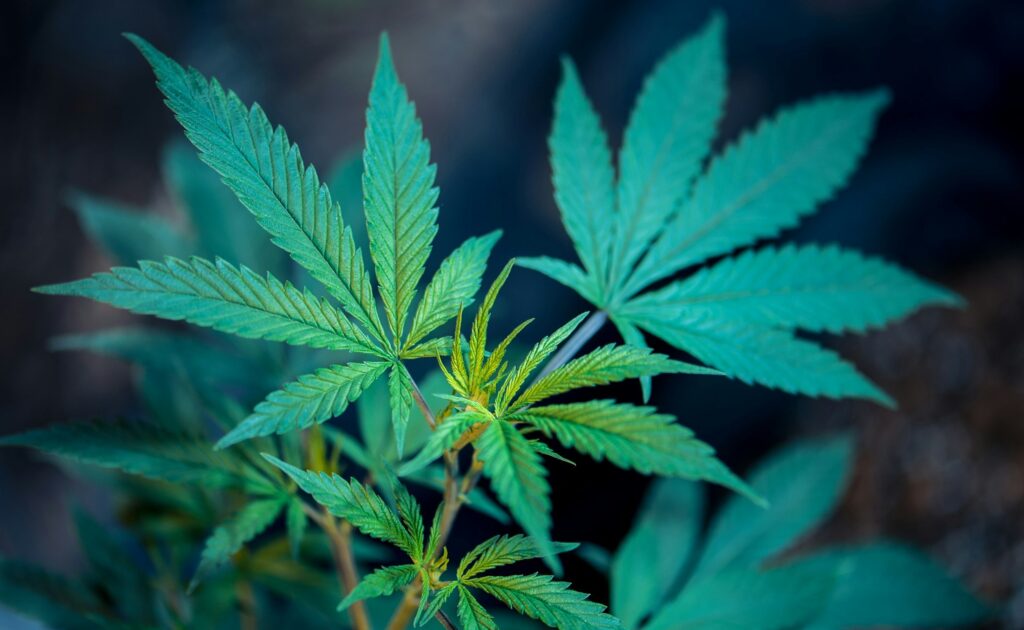
Cannabis plants are dioecious, meaning male and female reproductive organs typically grow on separate plants. Males produce pollen, while females produce the flowers (buds) we smoke or consume. For seed production, the female plant must be pollinated by a male, triggering the development of seeds within the buds.
Seed harvesting is only necessary when you’re intentionally breeding or preserving genetics. If you’re growing for consumption, you’ll want sensimilla—seedless cannabis that results from unpollinated female plants.
Step 1: Choosing Parent Plants
The first and most crucial step in harvesting high-quality cannabis seeds is selecting healthy parent plants. This determines the genetic traits of your future crop.
- Male Plants: Choose males with strong stems, fast growth, and high resistance to pests and disease. Avoid hermaphrodites, as they can pass on unstable genetics.
- Female Plants: Look for females that have dense bud structures, aromatic terpene profiles, and other desirable traits like high potency or fast flowering time.
Once chosen, isolate male and female plants until you’re ready for controlled pollination. This avoids accidental pollination of other females.
Step 2: Controlled Pollination
To harvest seeds, you must manually pollinate the female plants. This gives you full control over the genetics.
- Timing: Female plants should be pollinated during early flowering—usually 2 to 3 weeks after switching to a 12/12 light cycle.
- Method: Collect pollen from the male plant once the pollen sacs open. Use a fine brush, cotton swab, or even your fingers to gently dust pollen onto the female’s preflowers (white pistils).
- Isolation: Keep pollinated females separate from the rest of your crop. Once pollinated, they will divert energy from bud production to seed development.
Step 3: Maturation and Seed Development
After pollination, cannabis seeds take around 4 to 6 weeks to fully develop inside the buds. During this time, the plant should continue receiving full light, nutrients, and water.
Signs your seeds are ready to harvest:
- Color: Mature seeds are usually dark brown with stripes or mottled patterns. Immature seeds are green or pale.
- Size & Hardness: Mature seeds are hard and firm. Soft seeds may still be developing.
- Bud Texture: The buds housing mature seeds will often be dry, and the calyxes may begin to split open slightly.
Wait until most of the seeds reach maturity before harvesting. Rushing this step can result in poor germination rates later on.
Step 4: Harvesting the Seeds
Once the seeds are mature, you can begin harvesting:
- Cut down the plant and allow it to dry for several days.
- Manually break apart the buds over a clean surface or tray. Be gentle to avoid damaging the seeds.
- Separate seeds from plant material by hand or using a screen.
- Clean the seeds with a soft brush or cloth to remove dust or debris.
Ensure that you only keep seeds that are firm, dark, and healthy-looking. Discard any soft, cracked, or underdeveloped ones.
Step 5: Drying and Curing Seeds
Just like cannabis buds, seeds need to be dried and cured to ensure longevity and viability.
- Drying: Spread the seeds out on a clean paper towel or mesh screen in a cool, dry, and dark area for 1–2 weeks.
- Curing: Once dried, place seeds in breathable containers (like paper envelopes) for another week to stabilize internal moisture levels.
Properly dried and cured seeds are far less likely to develop mold or deteriorate in storage.
Step 6: Storing Cannabis Seeds
To keep your harvested seeds viable for years:
- Use airtight containers such as glass jars or vacuum-sealed bags.
- Label each container with strain name, harvest date, and parent traits.
- Store in a cool, dark place like a refrigerator or climate-controlled room. Avoid temperature fluctuations and humidity.
- Optional: Add silica gel packets to control moisture levels.
When stored properly, cannabis seeds can remain viable for up to 5 years or more.
Bonus: Feminized and Autoflowering Seeds
While natural seed harvesting typically results in a 50/50 mix of male and female plants, this poses a challenge for growers focused on bud production. Since only female cannabis plants produce the cannabinoid-rich flowers used for medicinal and recreational purposes, male plants are often considered undesirable in such grows. They not only take up space and resources but can also accidentally pollinate female plants, leading to seedy buds and reduced potency.
To avoid this, many modern growers turn to feminized seeds—seeds that are genetically programmed to produce only female plants. Feminized seeds remove the guesswork from cannabis cultivation and allow for more efficient, productive grows, especially for those with limited space or resources.
How Are Feminized Seeds Made?
Creating feminized seeds involves manipulating the plant’s biology to produce pollen from a female plant, which is then used to fertilize another female. Since both parents are female (XX chromosomes), the resulting seeds will also be female in almost all cases. This is achieved through several techniques:
1. Colloidal Silver Spray
One of the most common methods for producing feminized seeds is spraying a female plant with a colloidal silver solution. Colloidal silver is a suspension of tiny silver particles in water that, when applied regularly to a female plant during the early flowering stage, suppresses the production of ethylene, a hormone critical to female flower development. This hormonal interference causes the plant to produce male pollen sacs instead of female flowers. The pollen collected from this reversed female plant is then used to fertilize another female plant, producing feminized seeds. Note: Plants treated with colloidal silver should not be consumed, as the silver particles can be toxic.
2. Silver Thiosulfate Solution (STS)
STS is another chemical compound used to force female plants to produce male pollen sacs. It’s often considered more effective than colloidal silver, especially for large-scale breeding. This method also works by blocking ethylene production, leading to the formation of viable pollen on female plants. STS must be handled with care, as it is a chemical reagent and can be hazardous in concentrated forms. However, when used correctly, it results in a high rate of successful feminization and viable pollen.
3. Rodelization (Less Reliable)
Rodelization is a natural but inconsistent method where a female plant is deliberately stressed by allowing it to flower for longer than usual, often beyond its harvest window. In some cases, the plant responds to this stress by producing a few male pollen sacs as a survival mechanism to self-pollinate and produce seeds. While this method avoids the use of chemicals, it is less reliable and may produce hermaphroditic offspring—plants that carry both male and female traits, which can be problematic in a garden setting. As a result, rodelization is not commonly used by professional breeders.
What About Autoflowering Seeds?
In addition to feminized seeds, another popular type of seed among growers is the autoflowering seed. Autoflowering cannabis strains are developed by crossbreeding standard Cannabis sativa or indica plants with Cannabis ruderalis, a lesser-known subspecies native to Russia and Central Asia. Ruderalis plants are known for their ability to flower automatically based on age, rather than light cycles.
This means autoflowering plants begin flowering 2–4 weeks after germination, regardless of light exposure. This trait is highly desirable for growers who want quick harvests, discreet plants, or simplified grow setups. Autoflowering seeds can be feminized as well, giving growers a powerful combination of traits: female-only plants that flower automatically and finish quickly.
Though the process of harvesting seeds from autoflowering plants is similar to regular cannabis plants, it’s important to note:
- Timing is critical because autoflowers have shorter lifespans.
- Pollination must be well-planned since there’s less flexibility in flowering windows.
- Breeding autoflowers requires careful selection to preserve the autoflowering trait in subsequent generations.
By understanding the distinctions between regular, feminized, and autoflowering seeds, growers can make informed decisions that align with their cultivation goals. Whether you’re aiming for genetic preservation, high yields, or a low-maintenance grow, the type of seed you harvest—and how you produce it—plays a pivotal role in your cannabis garden’s success.
Also Read: Exploring the Impact of Cannabis on Canadian Health and Wellness
Conclusion
Harvesting cannabis seeds is a rewarding process that offers independence, sustainability, and genetic control. By choosing the right parent plants, managing pollination carefully, and properly drying and storing your seeds, you can build a personal seed bank that supports years of future grows. Whether you’re experimenting with your own strains or preserving prized genetics, mastering seed harvesting is a key step in becoming a more self-sufficient cannabis cultivator.