
Introduction
When you think of cannabis, what comes to mind? For many, it’s the profound, sometimes overwhelming, “high” associated with recreational use. But a quiet revolution is underway in the world of cannabis consumption: microdosing. This approach turns traditional thinking on its head, advocating for the idea that significantly smaller doses can unlock therapeutic benefits without the psychoactive intensity that often accompanies higher amounts.
Microdosing cannabis involves taking a sub-perceptual dose – meaning you don’t feel noticeably intoxicated or impaired. The goal isn’t to get high, but to subtly enhance your well-being, improve focus, reduce anxiety, or alleviate minor discomforts, all while remaining fully functional and clear-headed.
Understanding the “Less Is More” Philosophy
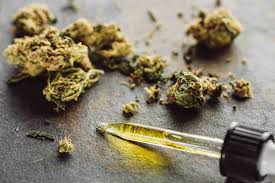
The core principle behind microdosing is that our bodies, particularly our endocannabinoid system (ECS), respond delicately to cannabinoids. Instead of flooding the system, a microdose provides a gentle nudge, supporting the ECS in its natural function of maintaining balance (homeostasis).
- Sub-Perceptual Effects: The defining characteristic is the absence of a strong “high.” You might feel a subtle shift in mood, a slight easing of tension, or improved concentration, but you should not feel impaired or “stoned.” If you do, your dose is too high for microdosing.
- Functional Wellness: This method is ideal for individuals who want to integrate cannabis into their daily routine for therapeutic benefits without compromising their ability to work, socialize, or perform everyday tasks. It’s about being present and optimized, not detached.
- Avoiding Tolerance: Consistent use of high doses can lead to increased tolerance, meaning you need more cannabis to achieve the same effects. Microdosing helps mitigate this, allowing you to maintain the efficacy of smaller doses over time.
Why Microdose? The Diverse Benefits Unveiled
The allure of microdosing lies in its ability to offer a range of benefits without the common drawbacks of traditional cannabis use. This makes it a popular choice for a diverse group of people.
- Enhanced Mood & Reduced Anxiety: Many users report a subtle uplift in mood and a significant reduction in generalized anxiety. By gently interacting with serotonin receptors and supporting the body’s natural anandamide levels, microdoses can help quiet an overactive mind without sedation.
- Improved Focus & Creativity: Contrary to the stereotype of cannabis users being unfocused, many microdosers find it helps them achieve a state of “flow.” This can translate to better concentration on tasks, increased productivity, and a boost in creative problem-solving without the mental fogginess often associated with higher doses.
- Gentle Pain Relief: For those dealing with chronic low-grade pain, tension headaches, or mild inflammatory discomfort, microdosing can offer subtle analgesic and anti-inflammatory effects. It’s not about numbing pain, but rather modulating the body’s pain response to make it more manageable.
- Better Sleep Quality (without sedation): While a large dose might knock you out, a microdose, especially taken in the evening, can help calm the mind and body, making it easier to fall asleep and achieve more restful, uninterrupted sleep, without the heavy feeling often associated with sleep aids.
- Mitigating Side Effects: For individuals sensitive to THC, who might experience paranoia, increased anxiety, or dizziness at higher doses, microdosing offers a way to tap into cannabis’s therapeutic potential while avoiding these undesirable side effects.
The Science Behind the Subtlety: How it Works
The magic of microdosing largely ties back to the endocannabinoid system (ECS). This complex network of receptors, endocannabinoids (our body’s natural cannabis-like compounds), and enzymes plays a crucial role in regulating almost every physiological process.
- Modulating, Not Overpowering: Unlike a large dose of THC which can powerfully activate cannabinoid receptors (especially CB1 in the brain), a microdose aims for a more nuanced interaction. It’s thought that these small amounts gently stimulate the ECS, helping it to operate more efficiently without overwhelming its delicate balance.
- The “Bell-Shaped Curve”: Research on cannabis and its effects often points to a “bell-shaped curve” phenomenon. This suggests that for certain therapeutic benefits, there’s an optimal dose, and going beyond that dose might actually reduce the desired effect or introduce unwanted side effects. For example, a small amount of THC might reduce anxiety, but a large amount could increase it. Microdosing seeks to stay within that optimal, lower-dose range.
- Beyond Cannabinoid Receptors: While the ECS is central, cannabis compounds (especially CBD, which is often included in microdosing protocols) also interact with other receptor systems in the body, such as serotonin receptors (influencing mood and anxiety) and TRPV1 receptors (involved in pain and inflammation). Microdosing allows for these beneficial interactions without strong psychoactive input.
Your Guide to Getting Started: The Art of Microdosing
Microdosing is a highly personal journey that requires patience and careful self-experimentation. There’s no one-size-fits-all dose, as individual physiology, tolerance, and desired effects vary widely.
- Start Extremely Low: This is the golden rule. If you’re using THC, begin with a dose between 1mg and 2.5mg. If you’re using a CBD-dominant product or pure CBD, you can start slightly higher, around 5-10mg, as CBD is non-intoxicating. For highly sensitive individuals, even 0.5mg of THC might be enough.
- Choose the Right Delivery Method:
- Tinctures & Edibles: These are often the best starting point due to their precise and consistent dosing. Look for products with clear milligram labeling per serving. You can easily adjust the amount drop by drop with a tincture or by cutting edibles.
- Vaporizing: If using a vape pen with cannabis oil, take a single, very small puff. This method provides rapid onset but can be harder to precisely dose.
- Flower: This is the most challenging for microdosing due to varying potency and difficulty in measuring. If using flower, take a tiny, single-hit pull from a pipe or vaporizer.
- Timing and Observation:
- Initial Dose: Take your first microdose when you have no pressing commitments, ideally in the evening or on a day off. This allows you to observe any effects without pressure or anxiety.
- Wait and Observe: For edibles/tinctures, wait 1-2 hours before considering another dose, as effects take longer to manifest. For inhaled methods, wait 15-30 minutes.
- Journal Your Experience: Keep a detailed record of the date, time, dose (in milligrams), delivery method, and most importantly, your observations. Note changes in mood, energy, focus, pain, anxiety, and any subtle physical or mental shifts.
- Incrementally Adjust:
- If you felt nothing at your initial low dose, wait until your next scheduled microdose (e.g., the following day or later the same day, depending on your goal). Then, increase the dose by a tiny increment (e.g., an additional 0.5mg – 1mg of THC).
- Crucial Indicator: If you ever feel any noticeable psychoactive effects (even a slight head change, spaciness, or mild confusion), you’ve gone too far! This is your signal to reduce your next dose. The goal is always sub-perceptual.
- Consistency Over Intensity: Many microdosers find success by taking small doses regularly throughout the day (e.g., once or twice) rather than aiming for a single, larger dose. This maintains a steady, gentle influence on your ECS.
Who Stands to Benefit Most?
Microdosing is gaining traction across various demographics for its ability to offer controlled and functional relief:
- New Cannabis Users: Provides a gentle, non-intimidating introduction to the plant’s potential benefits.
- Individuals with High Sensitivity: Ideal for those who find even small recreational doses overwhelming or anxiety-inducing.
- Medical Cannabis Patients: Offers a way to manage symptoms like chronic pain, inflammation, or anxiety throughout the day without significant impairment, allowing them to remain productive.
- Professionals & Creatives: Seeking enhanced focus, sustained energy, or creative flow without impacting their work performance or clarity of thought.
- Anyone Seeking Functional Wellness: For those who desire subtle improvements in mood, sleep, or overall well-being without the traditional “high.”
Also Read: Cannabis and Stress Relief: What Science Says About CBD and THC
Conclusion
Microdosing cannabis represents a paradigm shift in how we approach this versatile plant. It moves beyond the pursuit of intense psychoactive effects, inviting us instead to explore the profound potential that lies within remarkably small doses. By gently supporting our body’s own intricate endocannabinoid system, microdosing offers a path to enhanced well-being, improved focus, and a greater sense of calm, all while maintaining full functionality.
This method empowers individuals to take control of their cannabis experience, tailoring it precisely to their unique needs and sensitivities. It’s a journey of careful observation and self-discovery, where “less is truly more” becomes not just a saying, but a transformative philosophy for integrating cannabis into a balanced and optimized life. If you’re curious about cannabis but hesitant about its stronger effects, microdosing might just be the subtle shift you’ve been looking for.