
In today’s fast-paced world, more people are looking for natural ways to slow down, reduce stress, and reconnect with themselves. Two practices that often come up in this conversation are cannabis and meditation. Individually, both have been associated with relaxation and mindfulness. Together, they form what many call a modern wellness combo.
But is combining cannabis and meditation actually beneficial? Or is it just another wellness trend? In this guide, we’ll explore how cannabis may influence meditation, the science behind it, potential benefits, risks, and how to approach it mindfully.
Understanding Meditation in the Modern Age
Meditation is not just about sitting cross-legged in silence. At its core, meditation is the practice of focused awareness. It can involve breathing exercises, guided visualization, mantra repetition, or simply observing thoughts without judgment.
Today, meditation is widely used for:
- Stress reduction
- Improved focus and clarity
- Emotional balance
- Better sleep
- Anxiety management
Scientific research shows that regular meditation can positively affect the brain, especially areas linked to attention, emotional regulation, and memory. With increasing mental fatigue from digital overload, many people are turning to meditation as a daily reset.
How Cannabis Affects the Mind and Body
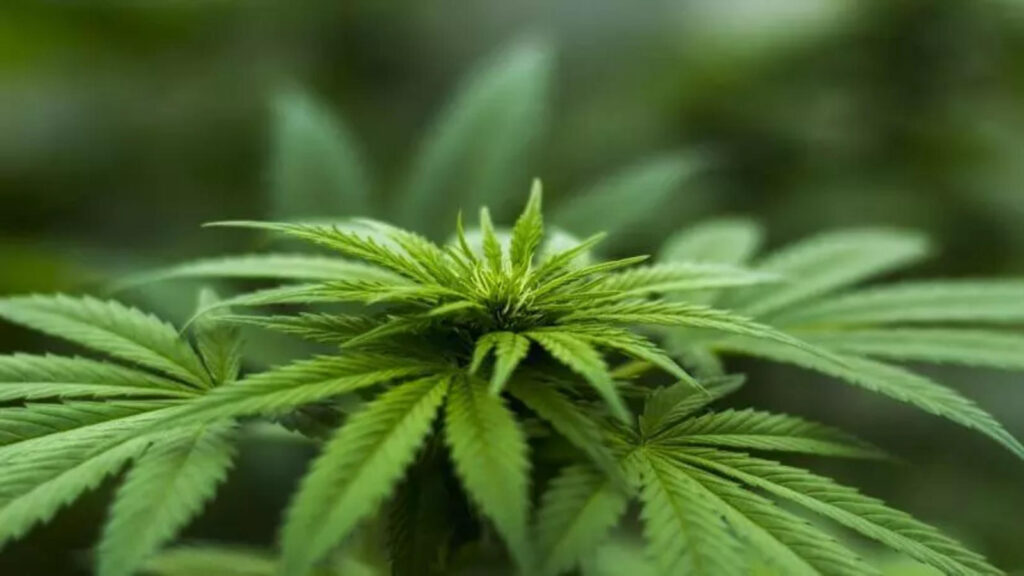
Cannabis contains active compounds called cannabinoids, primarily THC (tetrahydrocannabinol) and CBD (cannabidiol). These compounds interact with the body’s endocannabinoid system, which plays a role in mood, pain perception, sleep, and stress response.
THC is known for its psychoactive effects, such as altered perception and relaxation. CBD, on the other hand, is non-intoxicating and often associated with calming properties.
Depending on the strain, dosage, and individual tolerance, cannabis may:
- Promote relaxation
- Heighten sensory awareness
- Reduce stress temporarily
- Alter perception of time
- Increase introspection
These effects are part of why some people believe cannabis can enhance meditation.
Why People Combine Cannabis and Meditation
Many wellness enthusiasts describe cannabis as a “tool” rather than a requirement for meditation. The idea is that a small amount of cannabis may help quiet mental chatter, making it easier to enter a meditative state.
Enhanced Relaxation
For beginners, one of the biggest challenges in meditation is restlessness. Some users report that low doses of cannabis help them relax physically, reducing muscle tension and allowing them to sit comfortably for longer periods.
However, this varies greatly from person to person. For some, cannabis may increase anxiety instead of reducing it.
Heightened Sensory Awareness
Meditation often involves tuning into subtle sensations — breathing patterns, body awareness, and environmental sounds. Cannabis may intensify sensory perception, which some practitioners find helpful for mindfulness exercises like body scans or sound meditation.
Deeper Introspection
Cannabis can sometimes increase self-reflection. When paired with guided meditation or journaling afterward, this introspective state may help individuals explore emotions and thought patterns more deeply.
Potential Benefits of Combining Cannabis and Meditation
While research specifically on cannabis and meditation together is limited, there are overlapping effects that suggest possible benefits.
Stress Reduction
Both meditation and certain cannabis strains are associated with relaxation. When used responsibly, this combination may support stress relief for some individuals.
Improved Mindfulness Practice
Some practitioners report that cannabis helps them focus on the present moment by reducing racing thoughts. This can make breathing exercises and guided meditations feel more immersive.
Emotional Release
Meditation often brings suppressed emotions to the surface. Cannabis may lower inhibitions, allowing users to process feelings more openly during a session.
That said, benefits are subjective and not universal. Personal biology, mindset, and environment play a significant role.
Risks and Considerations
It’s important to approach cannabis and meditation carefully. What works for one person may not work for another.
Increased Anxiety or Paranoia
High doses of THC can cause anxiety, paranoia, or racing thoughts — the opposite of what meditation aims to achieve.
Dependency on a “Tool”
Meditation is ultimately about cultivating awareness without external reliance. Regularly depending on cannabis to meditate may reduce the ability to practice mindfulness independently.
Legal and Health Factors
Cannabis laws vary by region. Additionally, individuals with certain mental health conditions should consult healthcare professionals before using cannabis, as it may exacerbate symptoms in some cases.
Best Practices for Combining Cannabis and Meditation
If someone chooses to explore cannabis and meditation together, a mindful approach is key.
Start With Low Doses
Microdosing — using very small amounts — is often recommended for those experimenting with cannabis in wellness routines. The goal is subtle relaxation, not intoxication.
Choose the Right Environment
Meditation should take place in a safe, comfortable setting. A quiet room, calming music, or natural surroundings can enhance the experience.
Select Appropriate Strains
Strains high in CBD and lower in THC may provide calming effects without strong psychoactive impact. Each person’s response varies, so experimentation should be cautious and gradual.
Practice Intention Setting
Before beginning, set a clear intention. Whether it’s stress relief, emotional clarity, or relaxation, having a purpose can guide the meditation session.
Reflect Afterward
Journaling or quietly reflecting after meditation can help integrate insights gained during the session.
Is Cannabis Necessary for Meditation?
The short answer is no. Millions of people meditate successfully without cannabis. Meditation itself is a powerful standalone practice backed by extensive research.
Cannabis should not be viewed as a shortcut to enlightenment or deep mindfulness. At best, it may serve as an occasional support tool for certain individuals. At worst, it can distract from the discipline and awareness that meditation builds over time.
Long-term mindfulness skills develop through consistency, patience, and self-observation — not substances.
The Growing Trend in Wellness Culture
The modern wellness industry often blends traditional practices with contemporary lifestyle choices. As cannabis legalization expands in various regions, more conversations are emerging around its role in yoga, breathwork, and meditation.
However, it’s important to separate marketing narratives from evidence-based practice. Personal experimentation should always be informed, safe, and moderate.
Wellness trends come and go, but mindfulness remains timeless.
Read Also : Exploring the Impact of Cannabis on Canadian Health and Wellness
Final Thoughts
Cannabis and meditation as a modern wellness combo is an intriguing concept. For some individuals, small amounts of cannabis may enhance relaxation, sensory awareness, or introspection during meditation sessions. For others, it may interfere with clarity and focus.
The key lies in intention, moderation, and self-awareness. Meditation does not require cannabis, but when used responsibly and legally, some may find it complements their practice.
Ultimately, true mindfulness comes from cultivating presence — whether assisted or not.
If exploring this combination, prioritize safety, start slowly, and listen to your body and mind. Wellness should empower, not overwhelm.