
Introduction
The terms cannabis and hemp are often used interchangeably, which has led to widespread confusion among consumers, wellness seekers, and even businesses. While both come from the same plant species, Cannabis sativa, they are not the same in purpose, composition, or legal treatment. Understanding the real difference between cannabis and hemp helps clarify everything from product labels to wellness claims and regulatory rules.
As interest in plant-based wellness, CBD products, and sustainable materials grows, knowing how cannabis and hemp differ has never been more important.
The Shared Origin: Same Plant, Different Uses
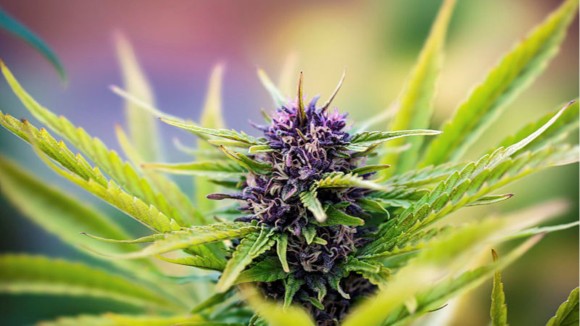
Cannabis and hemp both belong to the Cannabis sativa plant species, but they are cultivated for very different reasons. Over time, selective breeding has shaped these plants to express specific traits based on intended use.
Cannabis plants are typically grown for their psychoactive or therapeutic compounds, while hemp is cultivated for industrial, nutritional, and wellness-focused applications. Despite their shared genetics, their chemical profiles and physical characteristics can be quite distinct.
THC Content: The Defining Difference
The most significant difference between cannabis and hemp lies in THC content. THC, or tetrahydrocannabinol, is the compound responsible for the intoxicating effects commonly associated with cannabis.
Cannabis plants are bred to contain higher levels of THC, which can affect mood, perception, and cognition. Hemp, on the other hand, contains only trace amounts of THC—typically well below the threshold needed to cause any psychoactive effects.
Because of this low THC content, hemp-derived products do not produce a “high,” making them suitable for a wider range of everyday uses.
CBD and Other Cannabinoids
While cannabis is often associated with THC, hemp has gained attention primarily for its CBD content. CBD, or cannabidiol, is a non-intoxicating compound that has become popular in wellness routines focused on balance, relaxation, and recovery.
Both cannabis and hemp can contain CBD and other cannabinoids, but hemp is usually cultivated to maximize CBD while keeping THC levels minimal. This distinction is why many wellness products—such as oils, topicals, and supplements—are derived from hemp rather than high-THC cannabis.
Legal and Regulatory Differences
Legal treatment is another major point of separation between cannabis and hemp. In many regions, hemp is legally defined based on its THC content rather than its appearance or genetic lineage. As long as the plant remains below a specific THC limit, it is classified as hemp and regulated differently from cannabis.
Cannabis with higher THC levels is often subject to stricter regulations, licensing requirements, and usage restrictions. These legal differences influence how products are sold, marketed, and distributed, especially in wellness and consumer markets.
Cultivation and Growing Practices
Hemp and cannabis are grown using different agricultural approaches. Hemp is typically cultivated outdoors on a large scale, similar to crops like corn or wheat. It grows tall, matures quickly, and produces strong fibers and seeds.
Cannabis grown for higher cannabinoid concentrations often requires more controlled conditions. Growers focus on flower production, plant spacing, and environmental factors that influence potency and terpene profiles. These differences in cultivation reflect the end goals of each plant type.
Uses of Hemp: Beyond Wellness
Hemp is widely recognized as one of the most versatile plants due to its ability to serve multiple industries with minimal environmental impact. Beyond its role in CBD extraction, hemp fibers are used to produce durable textiles, ropes, and paper that require fewer chemicals and less water compared to many traditional materials. Hemp-based biodegradable plastics and building materials have also gained attention for their strength and sustainability, offering eco-friendly alternatives in construction and manufacturing. In addition, hemp can be processed into biofuel, further showcasing its potential as a renewable energy resource.
Hemp seeds add another valuable dimension to the plant’s versatility. They are rich in plant-based protein, dietary fiber, and essential fatty acids, making them a popular ingredient in health-focused foods and supplements. Together, these wide-ranging applications reinforce hemp’s identity as an industrial and agricultural powerhouse. Rather than being associated with recreational or intoxicating use, hemp stands out as a sustainable resource that supports wellness, innovation, and environmentally responsible production across multiple sectors.
Uses of Cannabis: Therapeutic and Cultural Roles
Cannabis has been used for centuries across various cultures for spiritual practices, traditional medicine, and therapeutic purposes. Historical records show its role in rituals, herbal remedies, and wellness traditions, long before modern regulations existed. Today, this historical use has evolved into more structured and research-driven applications. Modern cannabis products are often formulated with specific cannabinoid and terpene profiles, allowing individuals to explore effects such as relaxation, enhanced creativity, or targeted symptom support within legally regulated environments.
Because cannabis can contain higher levels of THC, which has psychoactive effects, its use is generally subject to stricter legal and regulatory oversight. Access is often limited to medical or adult-use settings where laws permit, and guidelines are in place to promote responsible consumption. These regulations help ensure product quality, accurate labeling, and consumer safety, while also acknowledging cannabis’s potential benefits when used thoughtfully and within established legal frameworks.
Public Perception and Common Misconceptions
One of the most common misconceptions is the belief that hemp and cannabis are completely different plants. In truth, both come from the same plant species, Cannabis sativa, and are distinguished primarily by how they are cultivated and their chemical makeup. Selective breeding over time has led to variations in cannabinoid content, especially THC, which is why hemp and cannabis can serve very different purposes despite sharing the same botanical origin. Understanding this distinction helps explain why one plant is widely used for wellness and industrial applications, while the other is regulated for its psychoactive potential.
Another widespread myth is that hemp-derived products can cause intoxication. Because hemp contains only trace amounts of THC, it does not produce the “high” commonly associated with cannabis. Clearing up these misunderstandings is essential for helping consumers feel more confident and informed when choosing products. It also plays an important role in reducing unnecessary stigma around both hemp and cannabis, allowing for more open, balanced discussions about their uses, benefits, and responsible consumption.
Choosing the Right Products
Understanding the difference between cannabis and hemp empowers consumers to make choices that truly match their personal goals and comfort levels. People who are interested in wellness support—such as relaxation, balance, or everyday stress management—often prefer hemp-derived products because they offer beneficial cannabinoids without the intoxicating effects associated with high THC. These products are typically designed to fit into daily routines and appeal to those who want a clear-headed, non-psychoactive experience.
On the other hand, individuals who are exploring regulated cannabis products usually do so with specific intentions and within legal frameworks that allow such use. They may look closely at cannabinoid profiles, including THC levels, CBD ratios, and terpene content, to better understand how a product might affect them. In both cases, informed decision-making is key. Reading product labels carefully, understanding cannabinoid concentrations, and knowing where and how the plant was grown all contribute to greater confidence, safety, and satisfaction when choosing cannabis or hemp-based products.
Also Read: Cannabis Seeds for Medical Growers: What to Consider
Final Thoughts
Cannabis and hemp may share a botanical origin, but their purposes, effects, and uses are clearly distinct. Hemp focuses on wellness, sustainability, and industrial versatility, while cannabis is associated with higher THC content and regulated therapeutic or recreational use.
By understanding the real difference between cannabis and hemp, consumers can move beyond confusion and engage with these plants more responsibly, confidently, and intentionally—whether for wellness, education, or broader plant-based innovation.