
Mental health has become an increasingly important topic in recent years as more people seek ways to manage stress, anxiety, mood changes, and overall emotional well-being. At the same time, cannabis has gained significant attention due to changing laws, growing public acceptance, and ongoing scientific research. As a result, many individuals are curious about the relationship between cannabis and mental health.
The connection between cannabis and mental health is complex. Some people report positive experiences with cannabis, while others may experience unwanted psychological effects. Researchers continue to study how cannabis influences the brain, mood, cognition, and emotional health. Understanding both the potential benefits and risks is essential for making informed decisions.
In this article, we explore the current understanding of cannabis and mental health, what science is investigating, and important considerations for responsible use.
What Is Cannabis?
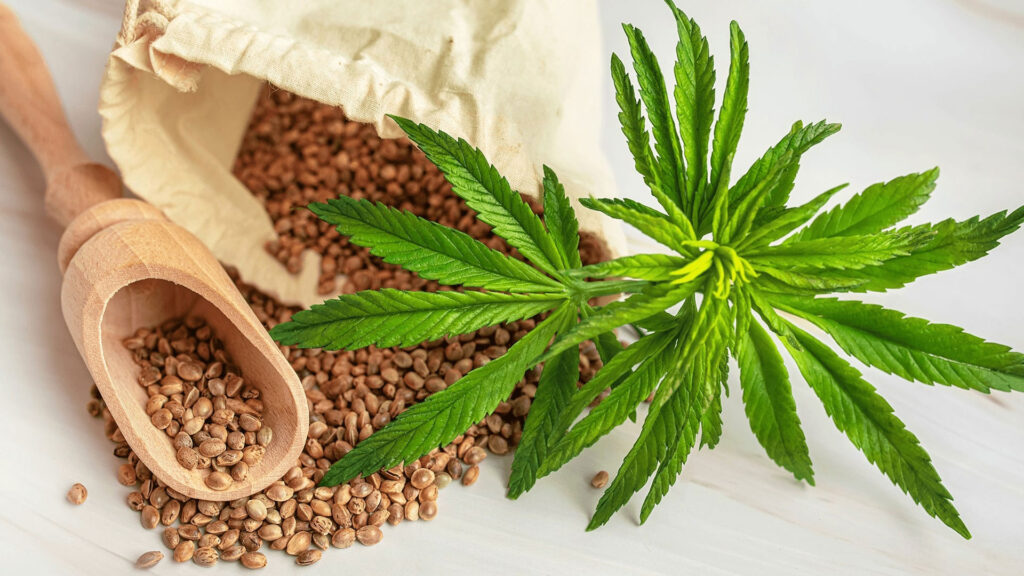
Cannabis is a plant that contains hundreds of naturally occurring compounds, including cannabinoids and terpenes. The two most widely studied cannabinoids are:
- THC (tetrahydrocannabinol)
- CBD (cannabidiol)
THC is primarily responsible for the intoxicating effects commonly associated with cannabis. It can influence mood, perception, memory, and cognition.
CBD does not produce a “high” and has gained attention for its potential wellness applications. Researchers continue to investigate how CBD may interact with various systems in the body and brain.
The effects of cannabis can vary significantly depending on factors such as cannabinoid content, dosage, frequency of use, and individual biology.
How Cannabis Interacts with the Brain
Cannabis affects the body through the endocannabinoid system (ECS), a complex network involved in regulating many physiological processes.
The ECS plays a role in:
- Mood regulation
- Stress response
- Memory
- Sleep
- Appetite
- Emotional processing
- Cognitive function
Cannabinoids from cannabis interact with receptors throughout the brain and body, influencing how these systems function.
Because the ECS is involved in emotional and psychological processes, researchers are interested in understanding how cannabis affects mental health outcomes.
Why People Use Cannabis for Mental Wellness
Many adults report using cannabis as part of their efforts to manage everyday stress and support relaxation.
Common reasons people cite include:
- Stress reduction
- Relaxation
- Improved mood
- Sleep support
- Emotional balance
- Social comfort
Some individuals feel that cannabis helps them unwind after a demanding day or temporarily reduce feelings of tension. However, personal experiences vary widely, and not everyone responds to cannabis in the same way.
Cannabis and Stress
Stress is a normal part of life, but chronic stress can negatively affect both physical and mental health.
Many cannabis users report feeling more relaxed after consumption. THC may temporarily alter the perception of stressors, while certain cannabis products may promote feelings of calmness and relaxation.
However, the relationship is not always straightforward.
Factors that may influence outcomes include:
- Dosage
- THC concentration
- Individual sensitivity
- Environment
- Frequency of use
In some individuals, higher THC levels may actually increase feelings of stress or discomfort rather than reduce them.
This variability highlights the importance of understanding personal responses and practicing moderation.
Cannabis and Anxiety
Anxiety is one of the most commonly discussed mental health topics related to cannabis.
Some users report that cannabis helps them feel calmer and less overwhelmed in certain situations. Others may experience increased nervousness, racing thoughts, or discomfort, particularly when consuming products with high THC concentrations.
Research suggests that cannabinoids may affect anxiety differently depending on dosage and individual characteristics.
For example:
- Lower THC doses may produce different effects than higher doses.
- CBD is being studied separately for its potential influence on anxiety-related symptoms.
- Individual tolerance levels can significantly affect outcomes.
Because responses vary, cannabis should not be viewed as a universal solution for anxiety-related concerns.
Cannabis and Mood
Mood regulation is another area attracting scientific interest.
Some people report temporary improvements in mood following cannabis use. These experiences may contribute to the growing popularity of cannabis among adults seeking relaxation and emotional well-being.
However, long-term effects on mood remain an active area of research.
Researchers continue investigating:
- How frequent cannabis use influences mood over time
- The role of THC versus CBD
- Individual differences in response
- Potential impacts on emotional regulation
Maintaining a balanced perspective is important, as short-term experiences may differ from long-term outcomes.
Cannabis and Sleep
Sleep and mental health are closely connected.
Poor sleep can contribute to:
- Irritability
- Difficulty concentrating
- Increased stress
- Emotional instability
- Reduced resilience
Many individuals use cannabis as part of their nighttime routines because they believe it helps them relax before bed.
Researchers continue studying how different cannabinoids influence sleep quality, sleep duration, and sleep cycles.
While some people report positive experiences, experts emphasize that healthy sleep habits remain the foundation of long-term sleep wellness.
Potential Mental Health Risks of Cannabis
Although cannabis may provide positive experiences for some users, it is important to recognize potential risks.
Certain individuals may experience:
1. Increased Anxiety
High doses of THC may trigger feelings of nervousness, worry, or panic in some users.
2. Cognitive Impairment
Temporary difficulties with attention, memory, and decision-making can occur while under the influence of cannabis.
3. Mood Changes
Some users may experience emotional fluctuations, particularly when using high-THC products.
4. Dependence
A portion of regular users may develop cannabis use disorder, characterized by difficulty controlling consumption despite negative consequences.
Understanding these potential risks helps individuals make more informed choices regarding cannabis use.
Cannabis and Long-Term Mental Health Research
Scientists continue exploring how long-term cannabis use may affect mental health outcomes.
Research is examining areas such as:
- Cognitive performance
- Emotional regulation
- Stress resilience
- Mood disorders
- Sleep patterns
- Brain function
Current findings suggest that outcomes may depend on multiple factors, including:
- Age of first use
- Frequency of use
- THC potency
- Genetic predisposition
- Existing mental health conditions
Because cannabis products vary widely, researchers continue working to better understand these complex relationships.
The Role of CBD in Mental Health Research
CBD has become a major focus of scientific investigation.
Unlike THC, CBD does not produce intoxicating effects. Researchers are studying whether CBD may influence:
- Stress responses
- Emotional regulation
- Sleep quality
- Overall well-being
While preliminary findings are encouraging in some areas, further research is necessary to determine the full extent of CBD’s effects on mental health.
Consumers should remember that research remains ongoing, and conclusions may evolve as new studies emerge.
Building Healthy Habits Beyond Cannabis
Regardless of whether someone chooses to use cannabis, strong mental health is typically supported by a variety of lifestyle factors.
Healthy habits include:
1. Regular Physical Activity
Exercise can help support mood, reduce stress, and improve overall well-being.
2. Quality Sleep
Consistent sleep schedules are essential for emotional and cognitive health.
3. Balanced Nutrition
A nutrient-rich diet supports both physical and mental wellness.
4. Social Connections
Maintaining supportive relationships contributes to emotional resilience.
5. Stress Management Techniques
Meditation, mindfulness, journaling, and relaxation exercises can help individuals cope with everyday challenges.
Cannabis should never replace these foundational wellness practices.
Responsible Cannabis Use and Mental Wellness
For individuals who choose to use cannabis, responsible consumption is important.
Considerations include:
- Starting with low doses
- Understanding product potency
- Being aware of personal reactions
- Avoiding excessive use
- Purchasing products from reputable sources
- Discussing concerns with healthcare professionals when necessary
Mindful use can help individuals better understand how cannabis affects their personal well-being.
The Future of Cannabis and Mental Health Research
The scientific understanding of cannabis continues to evolve.
Researchers are currently studying:
- Cannabinoid-specific effects
- Mental health outcomes
- Brain function
- Stress management
- Emotional regulation
- Personalized responses to cannabis
As research expands, future studies may provide clearer insights into how cannabis interacts with various aspects of mental health.
The growing body of evidence will help healthcare professionals, policymakers, and consumers make more informed decisions.
Also Read: Cannabis Bioavailability: Which Method Works Best?
Conclusion
The relationship between cannabis and mental health is both complex and highly individual. While some people report benefits related to relaxation, stress management, mood, and sleep, others may experience unwanted effects such as increased anxiety or cognitive impairment.
Scientific research continues to explore how cannabinoids interact with the brain and influence emotional well-being. As our understanding grows, it becomes increasingly clear that cannabis is not a one-size-fits-all solution for mental health concerns.
A balanced approach that prioritizes healthy lifestyle habits, informed decision-making, and responsible use remains the most effective way to support long-term mental wellness. Whether cannabis is part of an individual’s routine or not, strong mental health is built on consistent habits that nurture both the mind and body.