
Introduction
As cannabis becomes more widely used for wellness and recreational purposes, one concept is gaining attention among users and researchers alike—bioavailability. Simply put, bioavailability determines how much of the active compounds in cannabis, like THC and CBD, actually enter your bloodstream and produce effects.
Understanding bioavailability can help you choose the right consumption method based on your needs—whether you want fast relief, long-lasting effects, or efficient absorption.
What Is Bioavailability in Cannabis?
Bioavailability refers to the percentage of cannabinoids that reach your bloodstream after consumption.
Not all the cannabis you consume is fully absorbed. Some of it is lost during processes like:
- Combustion (burning)
- Digestion
- Metabolism in the liver
This is why the same dose can feel very different depending on how you consume it.
Why Bioavailability Matters
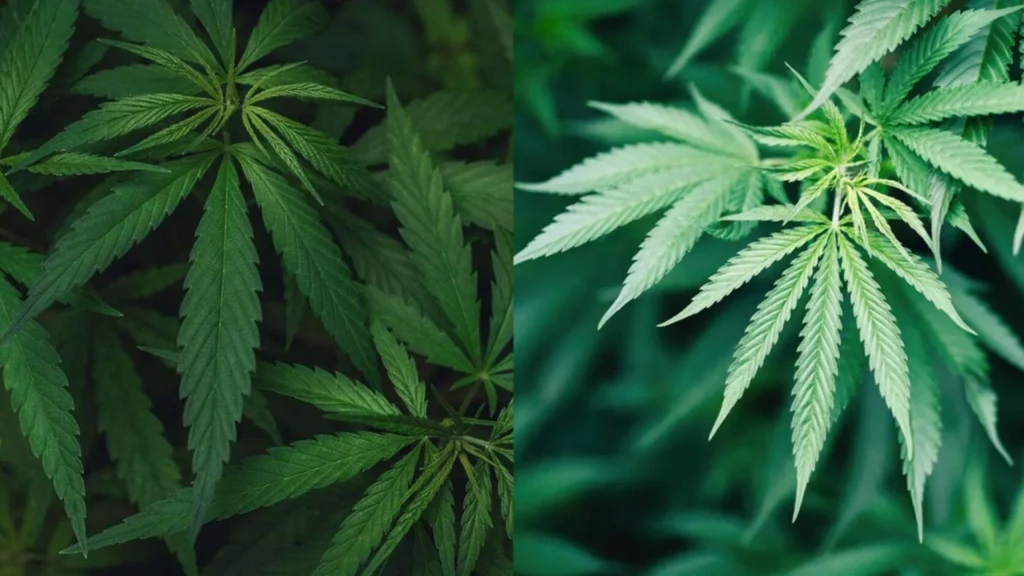
Bioavailability affects three key aspects of your experience:
- Speed: How quickly effects begin
- Intensity: How strong the effects feel
- Duration: How long the effects last
Choosing the right method can help you control your experience more effectively.
Smoking Cannabis: Fast but Inefficient
Smoking is one of the most traditional methods of cannabis use.
Bioavailability: ~10%–25%
Onset: Within minutes
Duration: 2–4 hours
When cannabis is smoked, cannabinoids are absorbed through the lungs and enter the bloodstream quickly. However, a significant portion is lost due to combustion and side-stream smoke.
Best for: Quick effects and immediate relief
Limitations: Lower efficiency and potential respiratory concerns
Vaping Cannabis: Higher Efficiency
Vaping heats cannabis without burning it, releasing cannabinoids as vapor.
Bioavailability: ~30%–50%
Onset: Within minutes
Duration: 2–4 hours
Because vaping avoids combustion, it preserves more cannabinoids and terpenes, making it more efficient than smoking.
Best for: Fast effects with better absorption
Limitations: Requires a device and proper usage
Edibles: Long-Lasting but Low Bioavailability
Edibles include cannabis-infused foods like gummies, chocolates, or beverages.
Bioavailability: ~4%–12%
Onset: 30 minutes to 2 hours
Duration: 6–8 hours or more
When consumed, cannabinoids pass through the digestive system and liver, where THC is converted into a stronger compound (11-hydroxy-THC). This leads to longer-lasting effects.
Best for: Sustained relief and extended experience
Limitations: Delayed onset and harder dosing control
Sublingual (Oils and Tinctures): Balanced Approach
Sublingual products are placed under the tongue for absorption.
Bioavailability: ~20%–35%
Onset: 15–45 minutes
Duration: 4–6 hours
This method bypasses much of the digestive system, allowing cannabinoids to enter the bloodstream more directly.
Best for: Moderate speed and controlled dosing
Limitations: Slightly slower than inhalation
Topicals: Localized Effects Only
Topical cannabis products include creams, balms, and lotions applied to the skin.
Bioavailability: Minimal systemic absorption
Onset: 15–30 minutes
Duration: Varies
Topicals interact with local receptors in the skin rather than entering the bloodstream.
Best for: Targeted relief without psychoactive effects
Limitations: No whole-body effects
Which Method Works Best?
There is no single “best” method—it depends on your goals.
- For fastest effects: Smoking or vaping
- For highest efficiency: Vaping
- For long-lasting relief: Edibles
- For balance and control: Sublingual oils
- For localized use: Topicals
Your ideal method depends on your lifestyle, experience level, and desired outcome.
Factors That Influence Bioavailability
Even within the same method, results can vary due to:
- Metabolism: Each person processes cannabinoids differently
- Product quality: Higher-quality products often deliver better results
- Dosage: Larger or more concentrated doses may increase absorption
- Tolerance: Frequent use can reduce sensitivity
Understanding these factors helps you fine-tune your experience.
Tips to Maximize Cannabis Bioavailability
- Choose high-quality, lab-tested products
- Start with a low dose and adjust gradually
- Use methods that align with your goals (fast vs long-lasting)
- Stay consistent with timing and dosage
Small adjustments can significantly improve effectiveness.
Also Read: How Cannabis Affects the Brain and Body
Final Thoughts
Cannabis bioavailability plays a crucial role in how your body absorbs and responds to cannabinoids. From fast-acting inhalation methods to slow, long-lasting edibles, each option offers unique advantages.
Instead of focusing on one “best” method, the key is to choose what works best for your needs. By understanding how different consumption methods affect absorption, you can make more informed decisions and get the most out of your cannabis experience.